Invisible Architecture
How church bells guide the sightless at Bartiméus Doorn

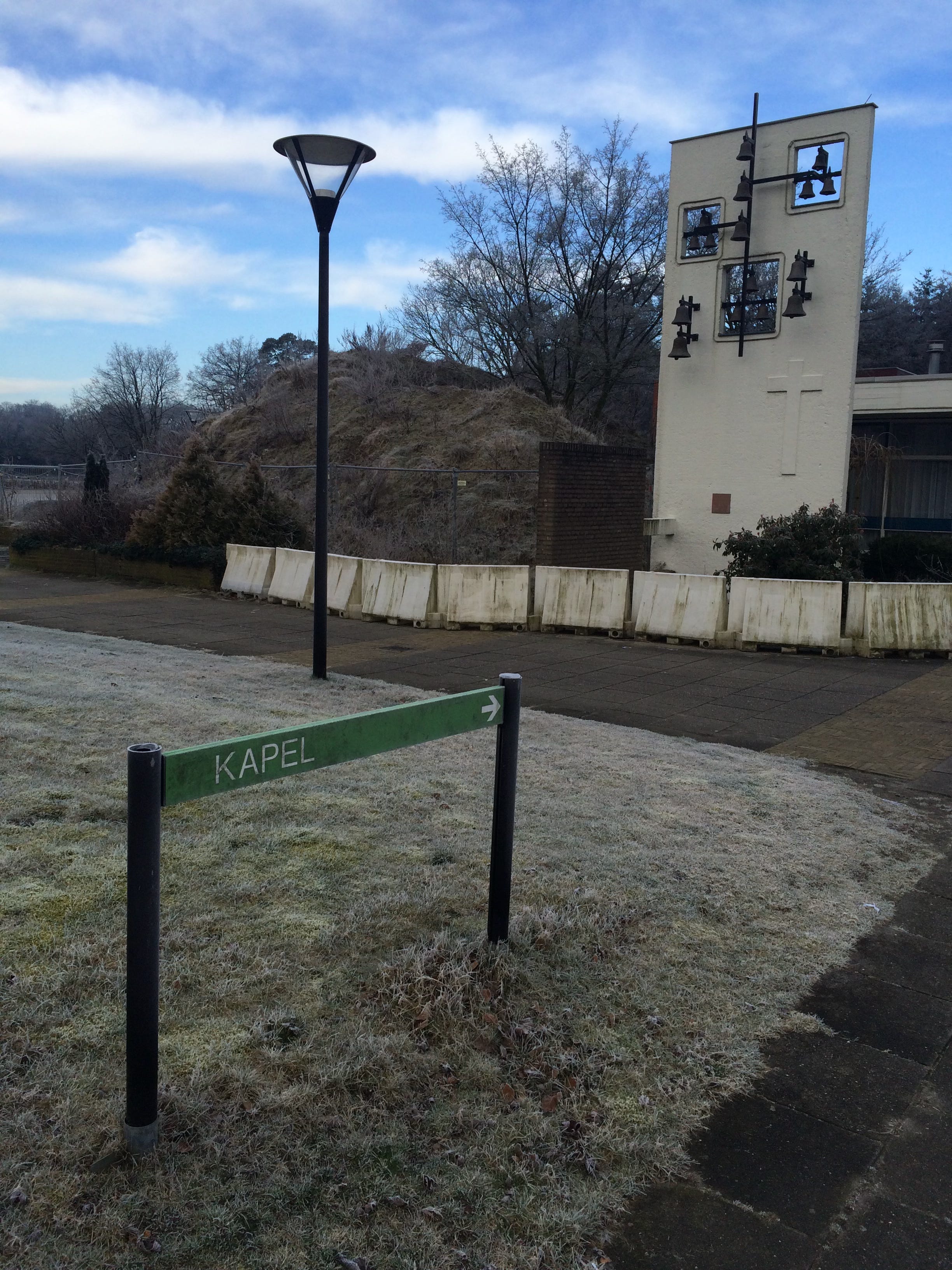
Sometimes buildings can speak to you quite literally. There are even structures that sing. Take, for example, the Bartiméus site in Doorn, where a carillon right next to the chapel invites the visually impaired residents of the complex every Sunday morning at ten o’clock to join the weekly service. But throughout the rest of the day and week, the carillon also functions as an auditory landmark, chiming at set times. Bartiméus is a residential community for people with visual impairments. In the homes on this wooded site, they receive specialized support — and a home that suits them. Everything is designed in such a way that residents feel safe and are encouraged to engage in independent activities.
Designers have sought optimal lighting conditions, color contrasts, and tactile information. After all, visually impaired people do not navigate by signs or icons but by the smell of a petting zoo, the ridges in the pavement, or the sound of a carillon. Of course, the buildings in the complex are beautifully designed, and the park-like grounds are a feast for the eyes. Yet the true identity markers are not visible. To fully appreciate the value of the architecture, one must engage other senses.
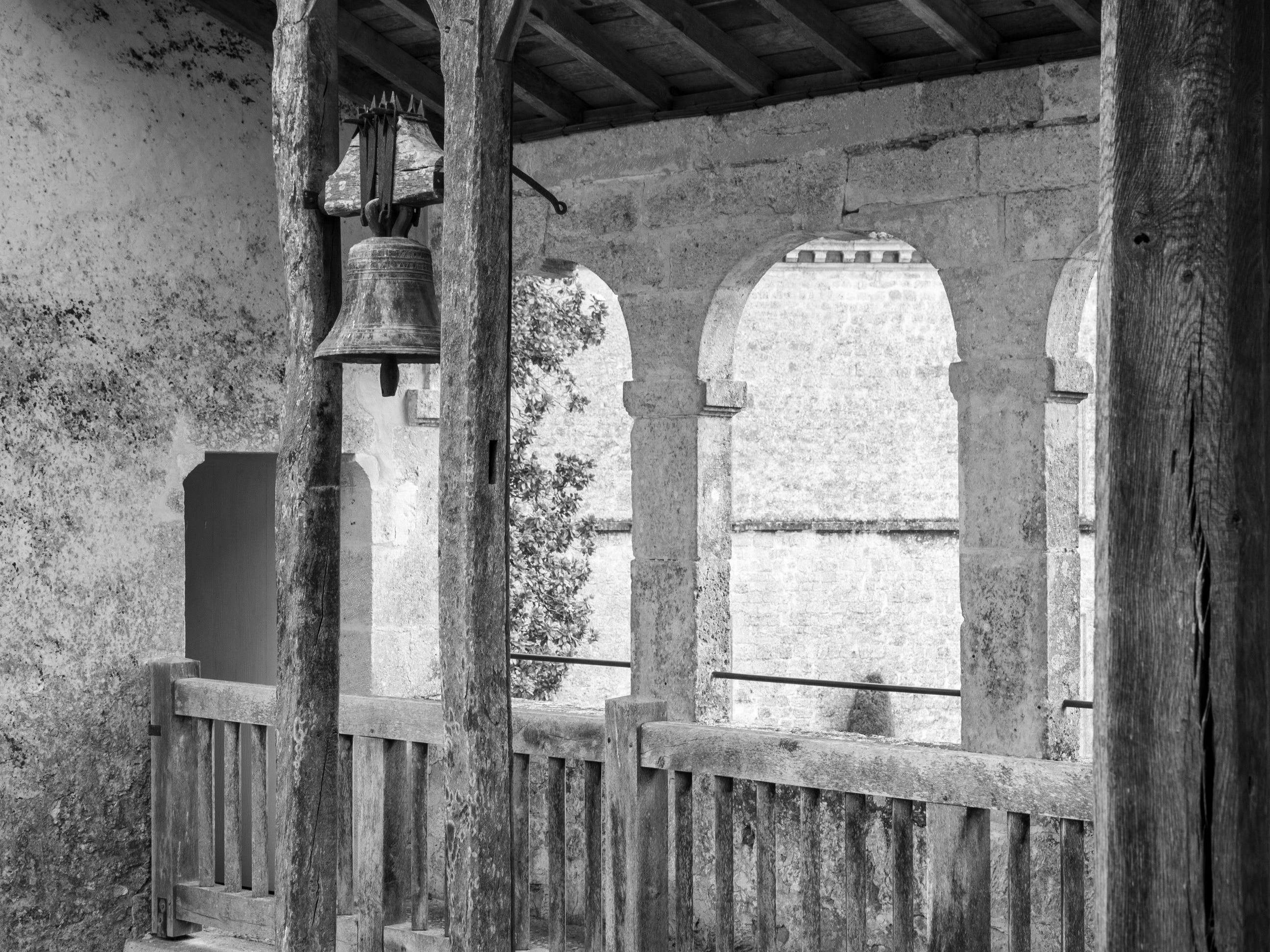
This is not only true for people with visual impairments. Smells and sounds always play a role as we move through the city — though we are often completely unaware of them. Sound is invisible, yet, like concrete, wood, or light, it is very much a building material. In fact, the sound we hear is largely shaped by the space we are in, whether an indoor or outdoor environment. Anyone who has attended a concert knows that one hall can have much better acoustics than another, and this is always influenced by the shape of the space and the materials used. And although few architects begin the design process of a concert hall with research into optimal acoustics, there is an increasing awareness among designers that a good building is not only about “look” but equally about “feel.”
This awareness goes hand in hand with fascinating research into the role of sound in society. Take, for instance, the work of French historian Alain Corbin on the role of church bells in nineteenth-century rural France. In one study, he showed that hearing local bells influenced a sense of self-worth and emotional well-being. And the positive effects didn’t stop there: the bells also fostered pride in one’s hometown and a regional identity. That identity naturally extended across the entire area where the bells could be heard. In the valleys, where sound carried far, relatively large communities formed, whereas in the mountains, where the sound traveled less, much smaller communities emerged. Invisible sound, it turns out, can be a remarkably significant factor, even shaping one’s sense of citizenship.
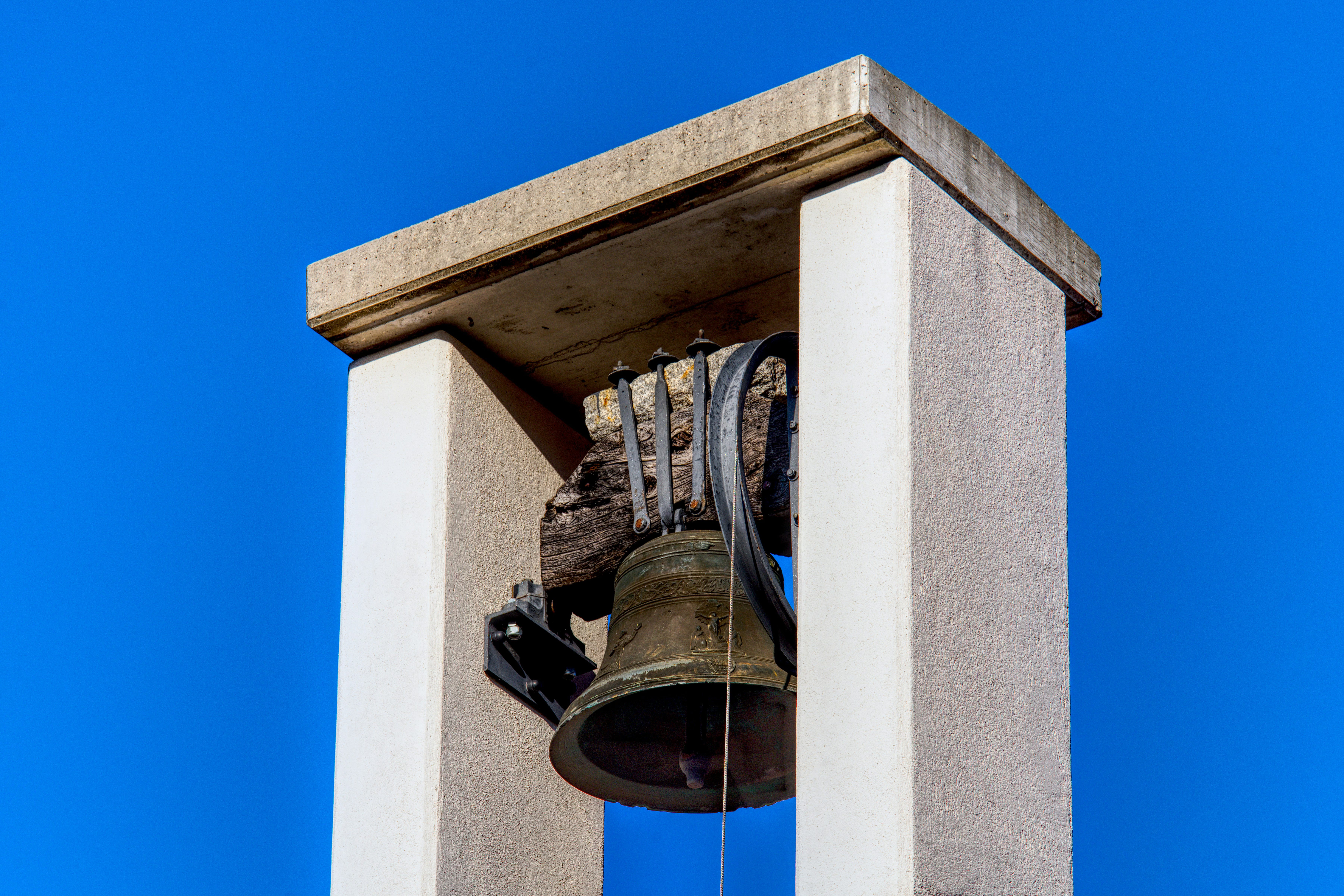
In our visually overstimulated age, church bells and carillons have, unfortunately, lost that function almost entirely. However, those who want to experience it can visit care institutions such as Bartiméus — or perhaps spend a weekend in a monastery. And why not? After all, learning to listen before taking a step might be one of life’s most valuable lessons.